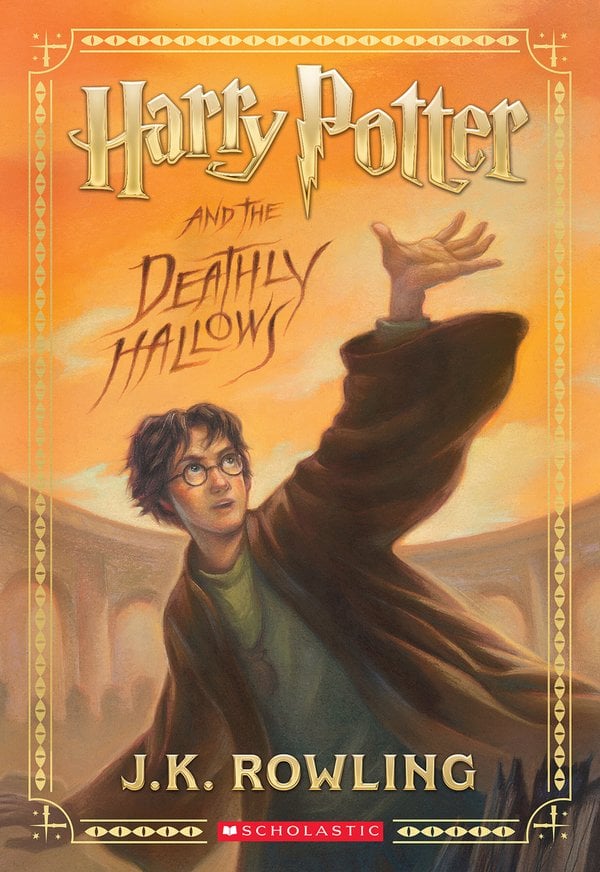
Deathly Hallows gives Harry, Ron, and Hermione a very different situation to deal with. For much of the book, they’re away from Hogwarts and the routine that has shaped the earlier stories. There are no regular lessons to break up the danger, and finding somewhere safe becomes part of the problem. The friendships have to carry them through a much harder kind of journey.
That focus on the three of them makes sense for the final book. Harry stood out to me from the beginning, and Ron and Hermione became a huge part of what made his story enjoyable. Here, being friends means dealing with exhaustion, fear, uncertainty, and each other when nobody is having a good day. They don’t always handle it well, which gives their loyalty something difficult to work through.
Hermione’s preparation and ability to think through problems become especially important outside school. Ron brings his own history and worries into the group, while Harry has a responsibility he can’t simply hand to somebody else. They need one another’s help, and the pressure makes it harder to give that help easily all the time.
Dumbledore continues to matter through what Harry learns about him and the questions he has left behind. Harry has looked up to him throughout the series. Discovering more of his history makes that relationship more complicated, even while his guidance remains important. The book gives Harry reasons to think carefully about the people he trusts and how much he actually knows about them.
The story of the Deathly Hallows adds another interesting piece of the wizarding world. An old tale becomes something Harry and his friends have to consider seriously. The series has already given us journals, maps, memories, and books with secrets in them. It makes sense that a story people tell each other might deserve closer attention too.
When the action returns to Hogwarts, the place carries the history of everything we’ve read. Harry arrived there as a kid who barely knew anything about his parents or himself. By this point, the school is full of people and memories we’ve spent seven books getting to know. That gives the fighting there weight beyond the spells being cast.
The darker direction of the series reaches its fullest extent here. The dangers have consequences, and the characters have to make decisions while knowing what they could lose. The friendships and smaller moments from the earlier books matter because they gave us time to care about these people before the story asked so much of them.
The ending brings the central story together and gives room to consider the lives beyond the immediate conflict. I’m leaving the specific outcomes out of the review. This is the conclusion to a series that meant a lot to me when I was young and still holds up when I read it as an adult. I still love every book, and following the whole journey is a big part of that.
Who I’d recommend it to
Anyone who has read the first six books. This is the conclusion, and the characters, discoveries, and relationships depend on everything that came before. If you’re returning to the series after years away, I’d read from the beginning and give the whole story room again.
Caution
Do not wear cursed jewelry while camping with friends. They already have to put up with you hungry. Pack snacks before attempting to save the wizarding world.
Discussion questions
How did you feel about spending so much of the book away from Hogwarts?
Which character’s journey meant the most to you by the end?
Did the conclusion give you the ending you wanted?
Keep the comments spoiler-free, or clearly mark spoilers before discussing specific outcomes.
— Cory Lane