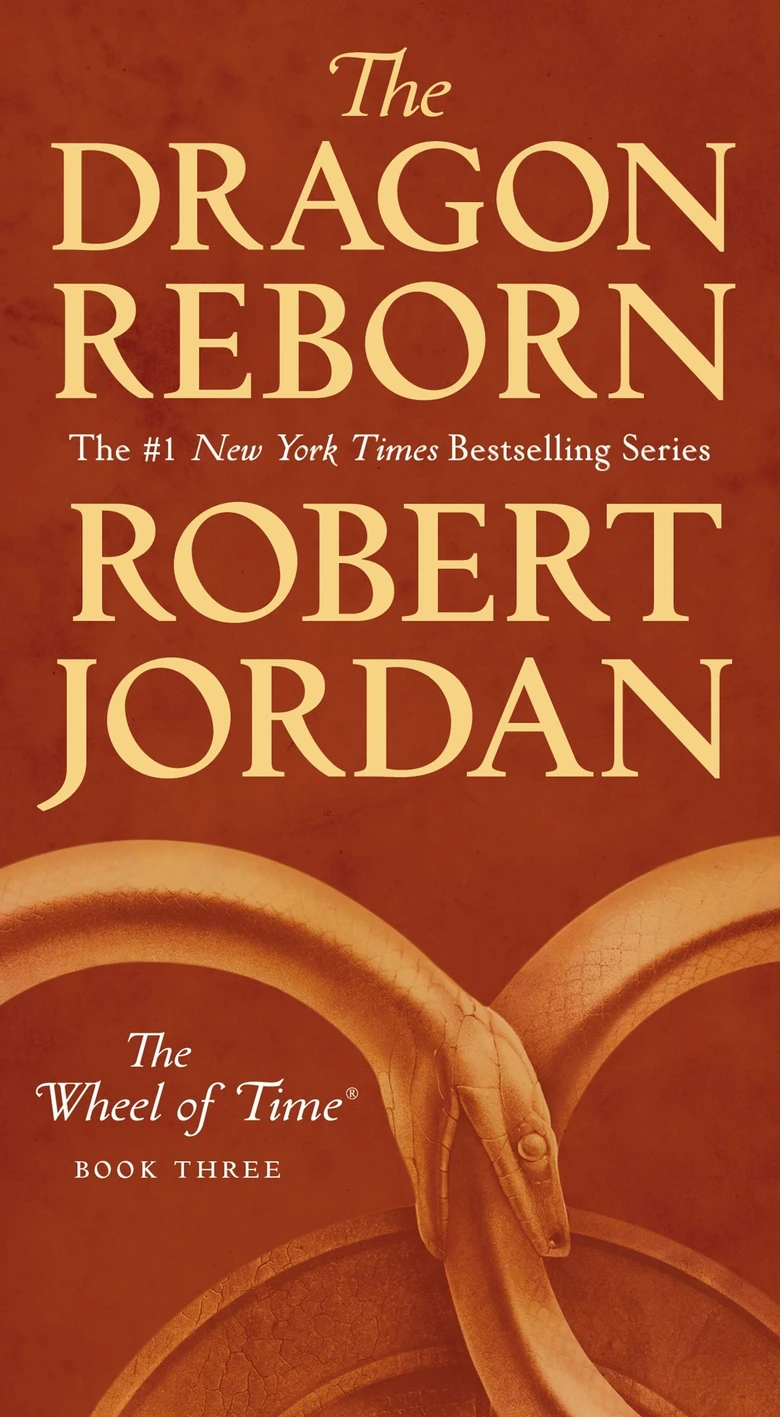
One thing I actually liked about this book is that Rand isn’t constantly front and center.
He’s obviously still the biggest piece on the board, but instead of spending the whole book inside his head, you see what his existence is doing to everybody else. People are chasing him, worrying about him, trying to understand what he’s becoming, and making decisions based on things they don’t fully understand yet.
I think that works because by this point you already know Rand pretty well. Giving Mat and Perrin more room makes the world feel bigger than just one chosen guy with everybody else following behind him.
Mat really starts becoming Mat here.
He finally gets to be more than the guy who made a terrible decision with a dagger and spent a bunch of time miserable because of it. His humor comes through more, he’s sarcastic, he complains constantly, and half the time he acts like he wants nothing to do with anybody else’s problems.
And then he goes and helps anyway.
That’s probably what I like most about him. Mat can spend five minutes telling you exactly why something is a terrible idea and why he absolutely isn’t getting involved, then somehow he’s the one right in the middle of it. He doesn’t always want to be the hero, which is probably part of why he’s so fun to read.
Perrin is almost the opposite. He’s quieter, more serious, and a lot more uncomfortable with what’s happening to him. His abilities scare him because they’re changing how he sees himself, and you can tell he’d really rather not deal with any of it.
But Perrin also has that instinct to look out for people. Even when he wants to pull away, he keeps getting dragged back in because he notices when someone needs help.
I like that Rand, Mat, and Perrin are starting to feel less like three friends traveling through the same story and more like three completely different characters whose lives are heading in different directions.
The structure does get a little obvious sometimes. Everybody is moving around on separate paths, and you can pretty much tell Jordan is eventually going to bring them all toward the same place. I cared more about what was happening to the characters along the way than the fact that all the storylines were clearly being lined up for one big ending.
But this is probably the book where I stopped thinking of The Wheel of Time as Rand’s story with a big supporting cast.
It starts feeling like the series belongs to all of them.
Who I’d recommend it to: Anyone who likes Mat and Perrin and wants them to get more room to actually become their own characters.
Caution: Rand is much less present than you might expect from a book literally called The Dragon Reborn, so if you’re reading mostly for him, that may feel strange at first.
Discussion question: Did Mat become one of your favorite characters here, or did it take you longer to come around on him?
— Cory Lane