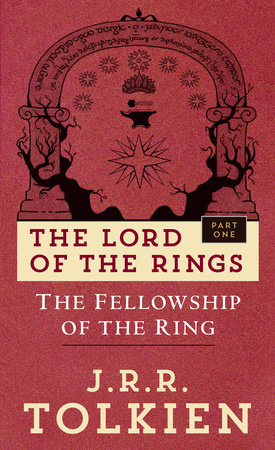
The Fellowship of the Ring is one of my favorite fantasy books. Tolkien built a masterpiece with Middle-earth, and Aragorn was my favorite character in this part of the story. Especially when Frodo first meets him in Bree, where he goes by Strider. He’s sitting back at the Prancing Pony, watching what’s happening, and you immediately want to know more about him. Just a total badass. His knowledge of the wilderness and the danger around them makes him someone you want on your side.
Frodo is the one carrying the responsibility at the center of it all, though. What he inherits from Bilbo turns out to be far more dangerous than he understands, and leaving the Shire becomes necessary. He has to put his trust in people while trying to figure out who actually deserves it. Even with Gandalf involved, there’s no easy answer that makes the whole problem go away.
Sam, Merry, and Pippin give that journey a lot of its personality. The hobbits’ concern with food is something I enjoy. There can be danger on the road, a long way still to travel, and you know a meal is going to remain a serious priority. Fair enough. They bring some humor into a story that gets pretty dark, but there’s more to them than that. Merry is more prepared and observant than people sometimes give him credit for, Pippin’s curiosity can get ahead of his judgment, and Sam’s loyalty gives Frodo someone he can depend on.
Then you have the Black Riders. Those creepy figures on horseback make the early journey feel dangerous before you fully understand what the hobbits are dealing with. The encounters on the road, with the Riders stopping and searching, put you on edge. An ordinary sound like approaching hooves suddenly becomes something to worry about. Tolkien gets a lot of tension out of the possibility of being found.
I’ve seen plenty of complaints about the pacing, but the slower sections worked for me. I felt like Tolkien was building. Spending time in the Shire gives you a reason to care about what might be lost. The conversations, songs, and stories help you understand the people traveling through this world. By the time the journey gets harder, you’ve had time to get invested in them.
The map adds to the scale of it. You can follow the road east toward Bree and Rivendell, then see the mountains and the distance still ahead. Places that look fairly close on a page can take days to reach, especially when keeping out of sight matters. The journey has practical problems: finding shelter, choosing a route, and knowing when the obvious road might be the worst one to take. That also makes Strider’s experience count for something.
The design of Middle-earth goes right down to its writing and architecture. The signs and lettering on the doors of Moria give you something to puzzle over before the company even enters. Inside, the passages and enormous halls suggest what the dwarves were capable of building. Places like that make the history easier to believe because you can see what remains of it. Rivendell has its own character, and so does the strange woodland of Lothlórien. Tolkien gives each place enough attention that arriving somewhere new means something.
As the Fellowship comes together, you also get people with different loyalties and different ideas about what should happen next. They have a common problem, but agreeing on how to deal with it takes work. That makes the group interesting beyond what each member can do with a weapon.
The Ring brings another problem: the temptation to use power, even for reasons that sound good. Strength and experience don’t automatically protect anyone from bad judgment. Alongside that, you have Frodo taking on something frightening and Sam choosing to stand by him. Friendship matters through the decisions people make and the trouble they’re willing to share.
That’s a big part of why this book works so well for me. There’s danger, mystery, humor, and a world worth taking your time in. I wanted to know more about Strider, I cared about the hobbits, and Tolkien gave the journey enough substance that I was happy to follow it.
Who I’d recommend it to
Anyone who enjoys a fantasy world with history, memorable companions, and a journey that takes time to develop. I’d recommend reading The Hobbit first, but you can begin here without being lost. Plan to continue into The Two Towers and The Return of the King.
Caution
Expect detailed descriptions, songs, older language, and stretches focused on traveling and conversation. There are frightening encounters and violence, although the writing isn’t especially graphic. This is the first part of a continuous story, so it doesn’t provide a standalone conclusion.
Discussion questions
Who was your favorite character in Fellowship? Strider was mine, especially when we first meet him in Bree.
Did the slower sections help you get into Middle-earth, or were you ready for the story to move faster?
How did the Black Riders compare with the other dangers in this book? Those early encounters make a simple road feel pretty unsafe.
Keep the comments spoiler-free, or clearly mark spoilers before discussing specific outcomes.
— Cory Lane