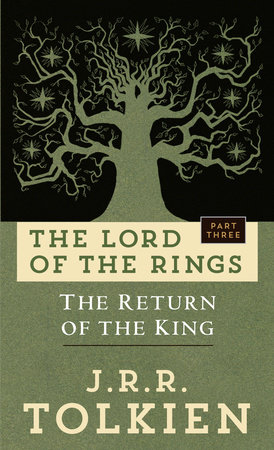
The Return of the King is an epic finish to one of my favorite fantasy stories. Tolkien brought everything together and, for me, finished it perfectly. After spending this much time with the characters and traveling through Middle-earth, the ending had a lot to live up to. It did. The battles, the friendships, and the smaller moments all have a place in bringing this journey to a close.
Aragorn has come a long way from the man sitting in the corner of the Prancing Pony. He was a badass then, and there’s plenty of that here, but the responsibility on him is much bigger now. Being good with a sword only gets you so far when other people are depending on your decisions. His willingness to take the dangerous road himself is part of what makes him someone people would follow.
The fighting around Minas Tirith and the Pelennor Fields is a huge part of what makes this book feel so epic. The siege has that pressure of something terrible getting closer while the people inside try to prepare for it. Then you have the Riders of Rohan and the sheer scale of the fighting outside the city. Tolkien lets you understand how much is happening while still keeping individual people in view. I like a good battle in a fantasy book, and this one gives you plenty without making everyone in it feel disposable.
Minas Tirith itself deserves some attention. The city rising in levels against the mountain gives it a design you can picture, and its walls and gates become important once you understand what’s coming toward them. Looking at the map, you can also see how close Gondor is to Mordor. What looked like a distant threat earlier in the journey is right on these people’s doorstep. The geography makes the situation harder to shrug off.
Merry and Pippin also get to show how much they’ve changed. Thinking back to the hobbits leaving the Shire makes their place in this book mean more. They’re surrounded by people who are bigger, stronger, and more experienced, but they still want to help. Éowyn belongs in that discussion too. There’s a lot in this book about who gets to take part, who gets told to stay behind, and what someone might be capable of when they’re finally tested.
Frodo and Sam’s journey has a different kind of intensity. By this point, the exhaustion and the strain of the Ring are hard to separate from anything Frodo does. Tolkien doesn’t make carrying it look easy just because Frodo is the person who agreed to do it. And Sam keeps finding ways to be there for him when there’s very little left to work with. There are armies moving across the map, but these two hobbits still hold your attention.
That’s something Tolkien gets right throughout the story: courage takes different forms. Aragorn has people to lead. The soldiers have positions to hold. Frodo and Sam have to keep moving when even that is becoming difficult. You can admire the fighting and still understand that some of the hardest things happening in this book have nothing to do with winning a sword fight.
The ending is where Tolkien really brings it all together for me. I’m keeping the details out of this review, because anyone reading it for the first time deserves to experience them. But I appreciate that he gives the aftermath room. After everything these characters have been through, I wanted more than a quick explanation of how things turned out. Coming home and figuring out what that means matters too.
There’s happiness in this book, but there’s also a sense of how much the journey has cost. Getting through something doesn’t mean you come out exactly as you were before it started. That gives the conclusion a lot of its weight. Tolkien lets you feel the achievement while still respecting what these people have gone through.
I thought The Return of the King was a perfect finish. It gave the whole journey the ending it deserved and left me with even more appreciation for what Tolkien built with Middle-earth.
Who I’d recommend it to
Anyone who has read Fellowship and The Two Towers. This is the conclusion to everything those books have been building, so read them in order. If you enjoy large battles, loyal friendships, and a story that takes its characters’ struggles seriously, The Lord of the Rings is an easy recommendation from me.
Caution
Expect warfare, death, frightening situations, and some emotionally heavy passages. Tolkien continues to use detailed descriptions and older language, and he gives the aftermath substantial attention. There are also extensive appendices for readers who want more of Middle-earth’s history and background.
Discussion questions
Did you think Tolkien got the ending right? For me, he finished it perfectly.
Whose story meant the most to you by the end?
How did you feel about the time spent on the aftermath and the return home?
Keep the comments spoiler-free, or clearly mark spoilers before discussing specific outcomes.
— Cory Lane