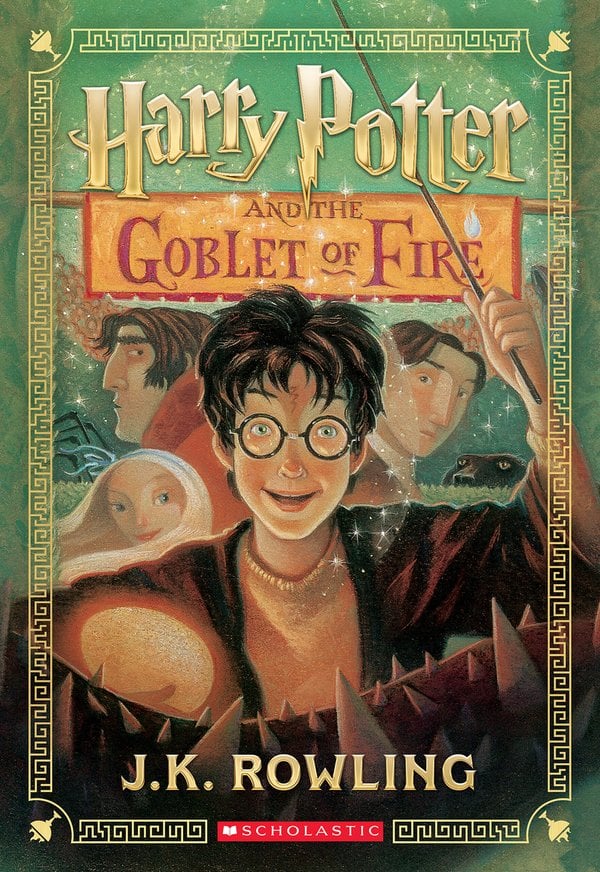
Goblet of Fire takes the darker direction of the earlier books and pushes it further. Harry is getting older, the wizarding world is getting bigger, and being at Hogwarts offers less protection than it used to. There’s still plenty of fun in this book, but the danger starts reaching well beyond whatever trouble Harry and his friends get into at school.
The Quidditch World Cup is a great way to open that world up. You get witches and wizards coming together from different countries, a campsite full of ridiculous magical details, and a sport that means something outside the Hogwarts teams. Then the trouble afterward changes the atmosphere. It gives you an early sense that some of the uglier parts of this world have been waiting for an opportunity to show themselves again.
The Triwizard Tournament gives the book a clear series of problems to work through. Harry’s name coming out of the Goblet when he never entered raises the first big question. After that, he has to prepare for tasks that could seriously hurt him while trying to understand why he’s involved at all. The dragon task is a pretty convincing argument against signing up for extracurricular activities without reading the details.
I like how those tasks keep the story moving while the larger mystery develops around them. Hogwarts also gets visitors from other schools, which changes the usual routine. Harry has enough to worry about with the tournament, and now there are more people watching him, judging him, and deciding what they think he’s done.
Ron and Hermione still give the story plenty of personality. Their friendships with Harry get tested as jealousy, embarrassment, and dating start becoming part of their lives. The Yule Ball is a good example. Put these characters in a room with formal clothes and expectations about who should ask whom, and suddenly a dragon might seem easier to deal with.
Moody adds another interesting presence at Hogwarts. His approach to teaching makes the danger feel immediate. Sirius also remains important to Harry, giving him someone outside school he can turn to. Since Sirius is one of my favorite characters in the series, I appreciate having him involved even when circumstances limit how much he can help.
The ending takes the darker direction seriously. I’m leaving the major events out of this review, but the final stretch changes what the rest of the series has to deal with. The tournament has consequences that reach far beyond who wins it. By the end, the problems facing Harry have become much harder to contain within a school year.
Goblet of Fire keeps the discoveries, strange characters, and humor that make the series enjoyable while giving the bigger story more weight. That progression is a big part of why these books hold up for me as an adult.
Who I’d recommend it to
Readers who enjoyed the first three books and want a larger mystery, dangerous challenges, and a wider look at the wizarding world. Read them in order. The friendships and earlier events matter as the stakes grow.
Caution
If your name comes out of a cup you never entered, ask a few more questions before agreeing to fight a dragon. Formal dancing may also prove more terrifying than expected.
Discussion questions
Which tournament task stood out most to you?
Did the visiting schools and Quidditch World Cup make the wizarding world feel bigger?
How did you feel about the shift in tone by the end?
Keep the comments spoiler-free, or clearly mark spoilers before discussing specific outcomes.
— Cory Lane