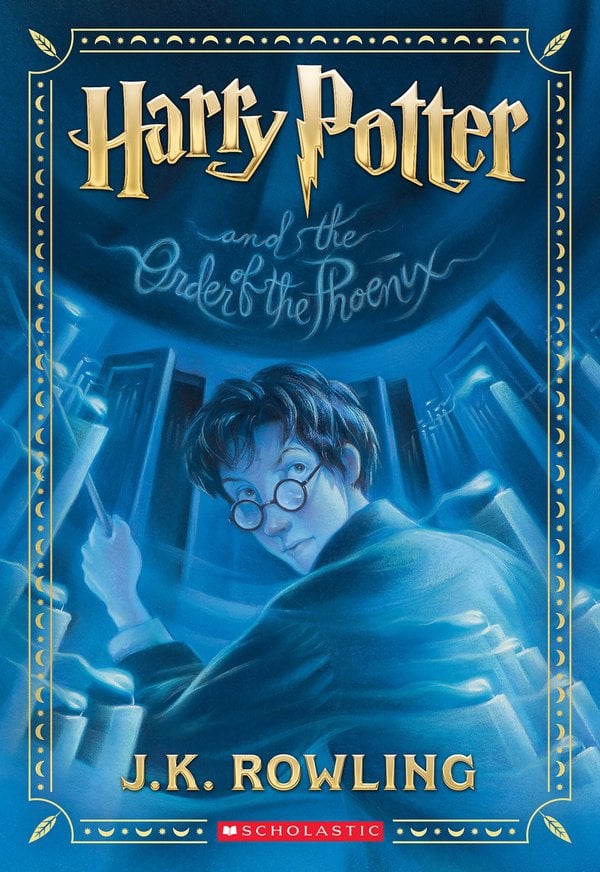
Order of the Phoenix puts Harry under a different kind of pressure. After everything that happened in Goblet of Fire, he has people questioning him, dismissing him, and deciding what everyone else should believe. He’s angry, and you can understand why. Being told to calm down is a pretty useless answer when the people saying it won’t acknowledge what happened.
The Ministry’s interference makes Hogwarts feel different too. Harry already knows there are dangerous things outside the school. Now there are people inside it making life harder while insisting they’re doing everyone a favor. That gives the book a tension that runs through ordinary classes and conversations as much as the bigger confrontations.
Umbridge is a huge part of that. Lockhart was annoying in a way that added something entertaining to Chamber of Secrets. Umbridge adds plenty too, but spending time in her classroom is a much uglier prospect. The polite voice, the pink clothes, and the endless rules make her cruelty more unsettling. She can make a school day miserable without needing a monster lurking in a corridor.
Sirius is one of my favorite characters in the whole series, so having more time with him matters to me. His situation also gives the story some frustration and sadness. He wants to be involved, wants to help Harry, and has a history with the people fighting around him. But wanting to do something doesn’t mean he has the freedom to do it. Harry and Sirius both spend parts of this book feeling trapped in different ways.
Dumbledore remains important, although his distance from Harry raises questions of its own. Harry has come to rely on him, so that change is noticeable. There are adults trying to protect him, adults trying to control him, and plenty they aren’t explaining. You can see why he starts looking more seriously toward his friends for help.
Dumbledore’s Army gives those friendships something useful to do. Harry has experience the other students can learn from, and watching them practice together is satisfying. Hermione helps make it happen, Ron is involved, and characters like Neville get more room to show what they can do. Luna adds another distinct personality to the group as well.
The darker side of the series keeps developing here. There’s fear and danger, but also the damage caused by people refusing to listen. Harry’s anger, Sirius’s confinement, and the pressure at school give the larger conflict consequences in their everyday lives.
This is a heavier book, but the humor and friendships still matter. Fred and George are particularly useful whenever Hogwarts starts feeling completely unbearable. Those moments give you a reason to keep caring about the school and the people in it as the story gets harder on them.
Who I’d recommend it to
Readers invested in Harry, Sirius, and the growing conflict outside Hogwarts. Expect more attention to authority, public opinion, and the strain on the characters. Start with the earlier books so those relationships have their full history behind them.
Caution
Bring your own quill to detention. If the school’s version asks for blood, transfer immediately. A smiling teacher dressed in pink is not a safety guarantee.
Discussion questions
Did you understand Harry’s anger, or did it wear on you?
Was Umbridge the character you most wanted out of Hogwarts?
Which member of Dumbledore’s Army stood out to you?
Keep the comments spoiler-free, or clearly mark spoilers before discussing specific outcomes.
— Cory Lane