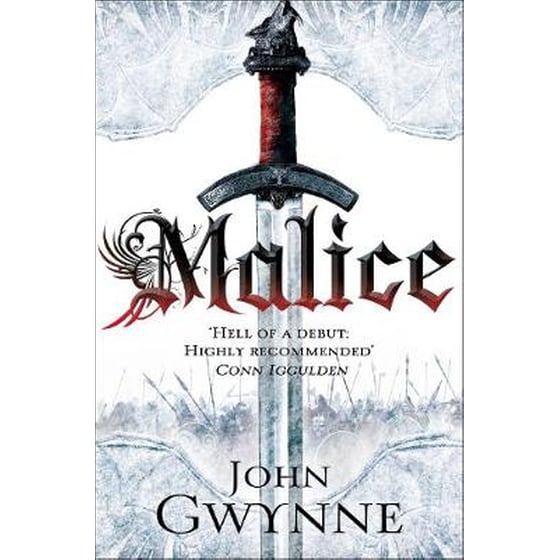
Malice does not hurry to convince you that its world is unprecedented. Prophecy, martial training, gathering threats: the ingredients are familiar. Gwynne's more persuasive move is to establish the texture of Corban's everyday life. Family, friendship, humiliation, and small acts of courage make him matter before the larger story asks him to matter to everyone.
Veradis offers a useful contrast. His desire to serve well is admirable, but service also creates a dangerous dependence on the person receiving that loyalty. I like that the book lets earnestness become complicated. Corban's relationship with Storm adds warmth without requiring him to explain himself in speeches.
There are a lot of viewpoints to learn, and the opening can feel like an extended introduction. The prose generally favors clarity over flourish. Once those separate lives begin pressing against one another, the patient setup pays emotional dividends. The reason to continue is less the novelty of the prophecy than the worry that decent people may attach themselves to the wrong version of it.
— Cory Lane