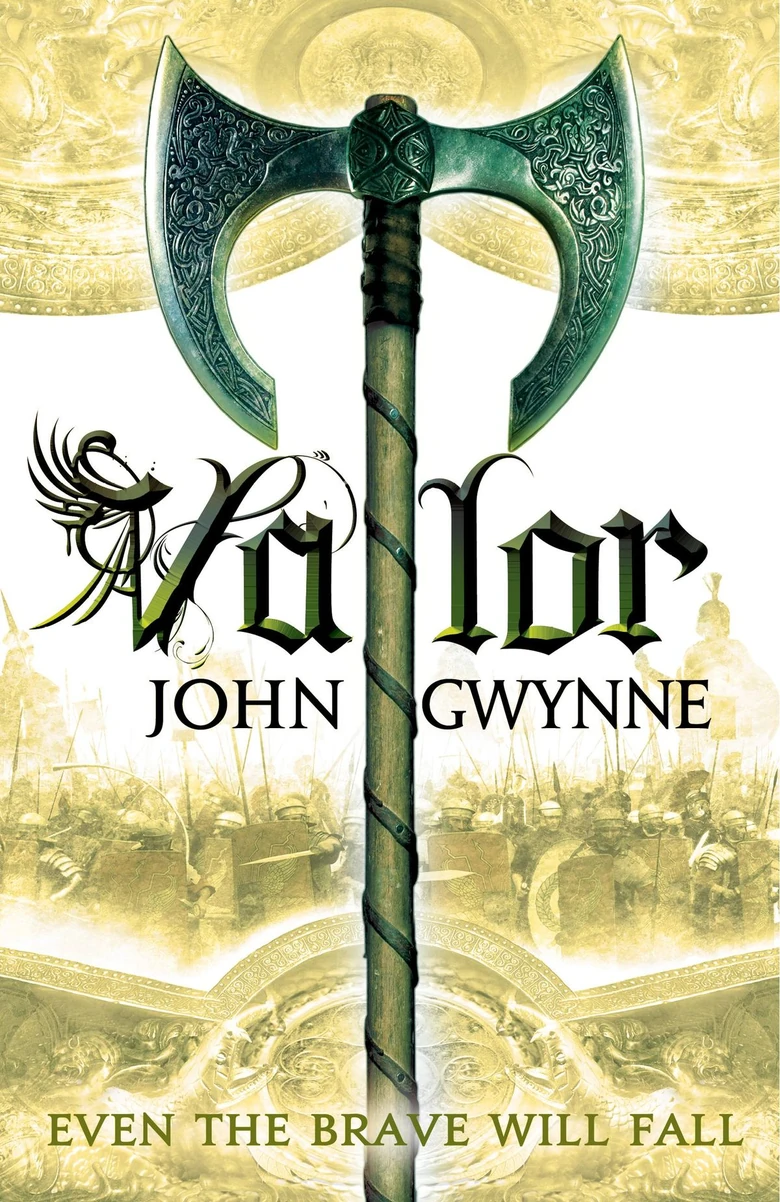
Valour moves a hell of a lot faster than Malice. All that setup from the first book starts paying off, the characters are scattered in different directions, and it feels like nobody is really safe anymore.
What I liked is that Gwynne doesn’t suddenly forget about the relationships just because the story gets bigger. Corban is obviously growing into something more, but he’s still surrounded by people he cares about and feels responsible for. The prophecy might be getting more important, but his relationships are still what make me care about what happens to him.
Veradis is probably one of the more frustrating characters for me, but in a good way. He’s loyal, brave, and genuinely trying to do what he thinks is right. The problem is that loyalty doesn’t mean much if you’re loyal to the wrong person. I kept wanting him to start questioning things sooner, but I also understood why he didn’t. Gwynne does a good job of making his decisions believable instead of just making him look stupid for not seeing what the reader can see.
Camlin was another character I really started liking. He comes from a completely different place than Corban and Veradis. He knows how to survive, he’s made plenty of questionable choices, and he isn’t trying to pretend he’s some perfect hero. I liked watching him realize that where you came from doesn’t necessarily decide who you have to keep being.
One thing that can still get a little frustrating is how often the book jumps between viewpoints. There were definitely times when something was getting good and then—nope—we’re going somewhere else for a while. With this many characters I understand why Gwynne does it, but sometimes I just wanted him to stay the hell where he was.
At the same time, those different viewpoints are part of what makes the series work. You’re watching people on completely different sides make decisions based on what they believe is true, and not everybody has the same information. Some characters are following leaders they trust, some are just trying to keep the people around them alive, and some are finally starting to question what they’ve been told.
That’s probably what I liked most about Valour. By this point, it isn’t really about figuring out who is brave and who isn’t. Plenty of these characters are brave. The more interesting question is who they’re fighting for and whether they’ve put that loyalty in the right place.
Malice made me care about these people. Valour starts making me worry about what all of them are going to do next, and that made it much harder to put down.
Who I’d recommend it to: Anyone who liked Malice but wanted the story to start moving faster. The setup begins paying off here, while the friendships, loyalty, battles, and multiple viewpoints that made the first book work are still there.
Caution: There are still a lot of viewpoints, and Gwynne has a habit of switching away from a character right when you really want to know what happens next.
Discussion question: Which character were you most frustrated with in Valour because you could see them putting their trust in the wrong person?
— Cory Lane